Genesis 40:23–41:1 — Yet the chief cupbearer did not remember Joseph, but forgot him. After two whole years, Pharaoh dreamed that he was standing by the Nile.
Read further: Genesis 40:14–15; Psalm 13.
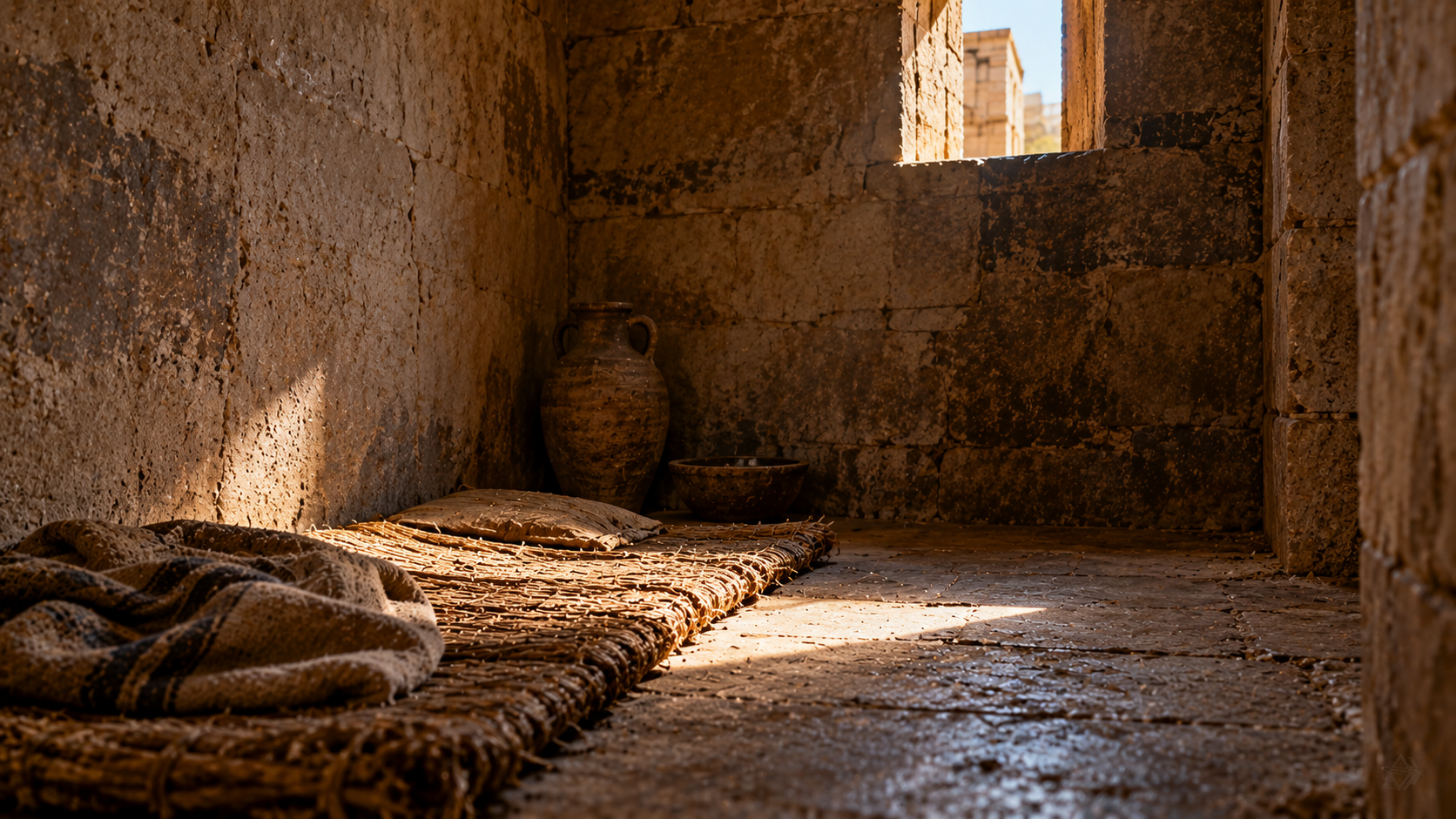
Two years is a long time to keep hoping someone will remember a conversation. Joseph told the cupbearer what happened to him. He was taken from his homeland, brought to Egypt, and imprisoned for something he didn’t do. When the cupbearer’s release approached, Joseph asked him to speak to Pharaoh. The cupbearer was someone who knew where Joseph was. Someone with access. Someone who could help. Then nothing. The cupbearer returned to his work, and Joseph remained in prison. The days accumulated into two whole years. Scripture gives us no record of a message reaching Joseph during that time, no explanation of the delay, and no assurance that his release was approaching.
What do you do when you have already prayed, already asked for help, already done what you know to do… and you wake up to the same circumstances? At first, maybe you keep expecting news. Eventually, the expectation itself begins to hurt. You stop mentioning the situation because you have nothing new to say. Other people’s lives move forward while yours seems caught in something nobody remembers to ask about anymore. There’s a particular loneliness in suffering that has lasted long enough to become old news. Someone checked on you when the marriage first fell apart, but the house is still quiet months later. People prayed when you lost the job, but now you’re still filling out applications. The funeral ended and everyone went home, but now you’re learning how long an evening can feel. Does anyone remember that you’re still here?
Joseph’s story gives that question room. The Bible doesn’t hurry past the cupbearer’s failure or pretend those years were insignificant because a promotion came afterward. Joseph was thirty when he entered Pharaoh’s service. Much of his young adulthood had passed in slavery and confinement. We know where Joseph’s story is going, but he had to live without that knowledge. But the Lord who was with Joseph in prison was still at work. Genesis 41 begins with Pharaoh dreaming. Before Joseph knew anything had changed, something was happening beyond the walls he could see. And this exposes the limits of what our circumstances can tell us. We can’t see enough to conclude that God has stopped caring. Still, knowing that may not silence the question. Where are You, Lord? How long?
God has given us prayers like Psalm 13 for precisely that place. David asks whether God will forget him forever. He brings his sorrow into God’s presence without first making it sound more faithful. The Lord has preserved those words in Scripture so His people can pray honestly. You can tell Him that the silence hurts. You can admit that you’re tired of hoping. Faith can speak through tears. And when you need assurance that you matter to Him, look at what He’s done in Jesus. The Son of God entered our suffering, endured rejection, and bore our sins at the cross to bring us near. The God who went to such lengths to bring you home hasn’t misplaced you along the way. You may still wake tomorrow to circumstances you wish would change. There may be no new message, no resolution, no explanation. But you can bring that day to the Savior who knows its weight. God hasn’t lost sight of you in the life you wish would change.
Head: A long silence doesn’t give me the whole story of God’s care or His work.
Heart: What have I stopped bringing to God because I’m weary of asking?
Hands: Read Psalm 13. Then name the situation that feels unchanged and pray honestly about what the waiting has been like.
Prayer: “Father, You know how long this season has felt and how often I’ve wondered whether You remember me. Anchor me in the love You’ve shown through the death and resurrection of Jesus. Sustain me in today’s unfinished circumstances and help me keep bringing my heart to You. In Jesus’ name, Amen.”
-PK