The Crowd We Belong To
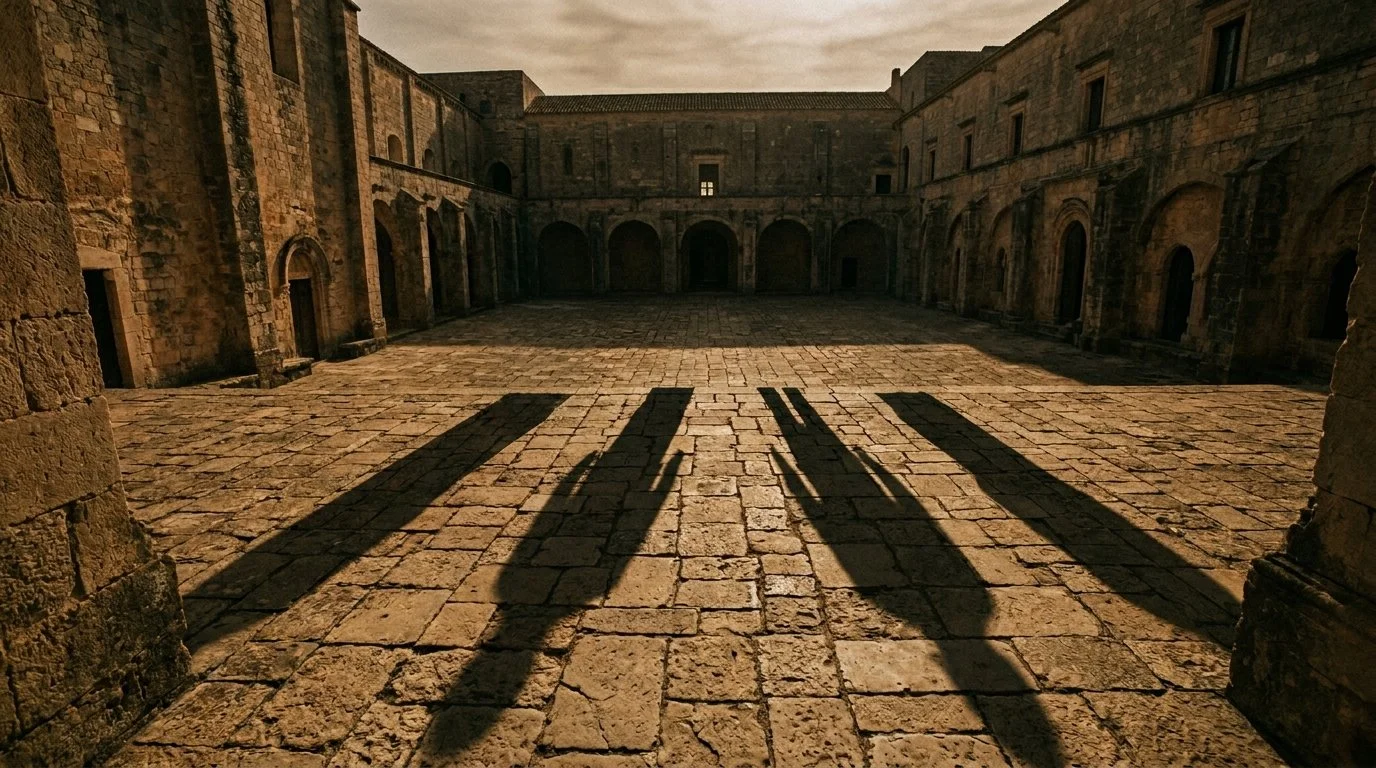
Luke 23:20-23 "Pilate addressed them once more, desiring to release Jesus, but they kept shouting, 'Crucify, crucify him!' A third time he said to them, 'Why, what evil has he done? I have found in him no guilt deserving death. I will therefore punish and release him.' But they were urgent, demanding with loud cries that he should be crucified. And their voices prevailed."
You read a headline about someone's spectacular public failure. A pastor. A CEO. A politician caught in the thing they spent years preaching against. And the first thought that surfaced, before compassion, before prayer, before anything resembling grace, was this:
I would never.
It came fast and it felt true. You genuinely believe you wouldn't. Your track record supports it, mostly. The details of their failure don't match the details of your life. So the distance between you and them feels real and earned and safe.
But distance from a story is the most dangerous place to read it. Because the moment you're sure you'd never be in the crowd, you're already in it.
Scholars have debated for centuries whether the Friday crowd was the same group that shouted "Hosanna" on Sunday. Some argue it was. Mob psychology is real; people who cheer one day can turn the next when disappointment sets in. Others point to Mark 15:11, where the chief priests "stirred up the crowd," suggesting this was a different, curated audience. The religious leaders had been plotting for days (Luke 22:2). It's possible they assembled a friendly crowd for the occasion.
But what's striking is that Luke doesn't tell us which it was. He doesn't resolve the question. And that silence feels deliberate, because either answer convicts us.
If it was the same crowd, then human loyalty is thinner than we want to believe. Five days is all it took to move from worship to murder. That means our loudest praise doesn't inoculate us against betrayal. If it was a different crowd, then the people who sang on Sunday were nowhere to be found on Friday. They went home. They stayed quiet. Their faith evaporated when it became costly to stand. Either way, the parade didn't hold.
We read this passage as the audience. But we're the cast.
Every one of us who has praised Jesus on a Sunday morning and lived entirely for ourselves by Friday afternoon understands the mechanics of this crowd. We don't need to be explained how "Hosanna" becomes "Crucify." We've done our own version. The volume was lower. The stakes felt smaller. But the mechanism was identical: we wanted Jesus to serve our story, and when He didn't, we found someone who would.
We know the private "Crucify" moments. The ones that don't make headlines. The morning you chose resentment over forgiveness and dressed it up as boundaries. The season you quietly abandoned obedience because God wasn't delivering on your timeline. The relationship where you stopped following Jesus and started following your own comfort, and you barely noticed the transition because it happened one small decision at a time.
Self-preservation is the most natural thing in the world. That's what makes it so dangerous. It doesn't feel like betrayal. It feels like wisdom.
And yet. Their voices prevailed. Luke writes those three words, and then the strangest thing happens: Jesus doesn't resist. He lets the crowd have its way. The One with the power to silence every voice in that courtyard (the same One who said the stones would cry out if people went silent) allows human voices to shout Him onto the cross.
Isaiah saw this seven hundred years earlier: All we like sheep have gone astray; we have turned, every one, to his own way; and the Lord has laid on him the iniquity of us all (Isaiah 53:6). Every one. All. The prophet doesn't leave anyone in the audience. The comfortable distance collapses. We are the sheep who strayed. We are the crowd whose voices prevailed. And He is the Lamb who let it happen so that the crowd could be forgiven for what they shouted.
The cross doesn't allow spectators. It only allows participants: those who put Him there, and those who receive what He did there. Today, Good Friday, is the day we stop saying "I would never" and start saying "I did. And He died for it anyway."
Today: Read Isaiah 53:6 slowly, three times: "All we like sheep have gone astray; we have turned, every one, to his own way; and the Lord has laid on him the iniquity of us all." Let the "all" and the "every one" include you. Stay there.
Prayer: "Jesus, we stand in the crowd today. Not above it. Not apart from it. In it. You are the Holy One who let unholy voices send You to the cross, and we were among them. We adore You for a love that absorbs what it doesn't deserve. We confess that we have shouted for other saviors with our choices, our silence, our self-preservation. And still You went. Still You carried it. Thank You that the cross holds everyone who will come to it, even me, especially me. Amen."
-PK