Remain
1 Corinthians 7:20 - “Each one should remain in the condition in which he was called.”
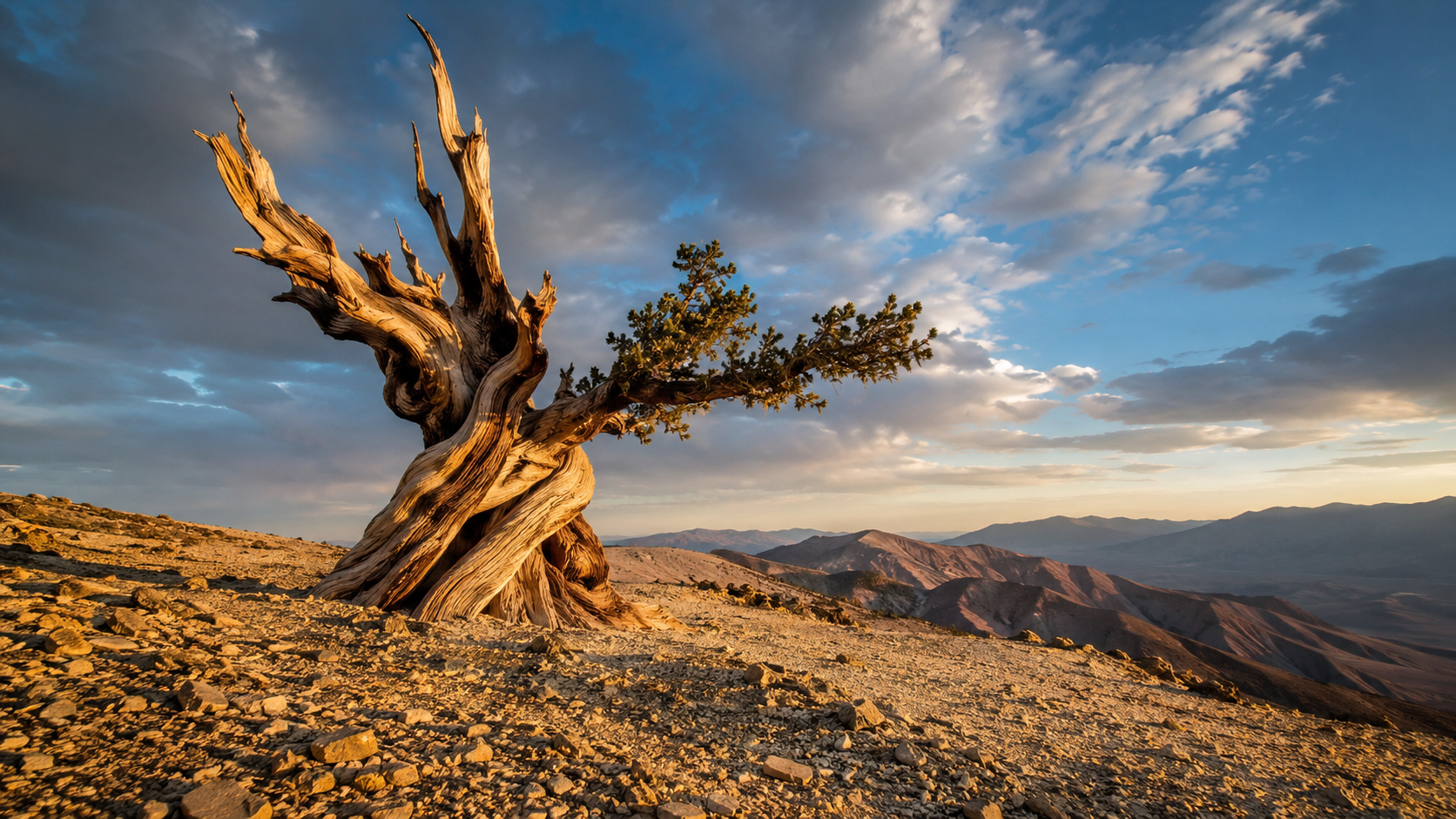
High in the White Mountains of eastern California, at about 10,000 feet, stands a bristlecone pine named Methuselah. It’s roughly forty-eight centuries old, which means it was already alive while the Great Pyramid was being built. The Forest Service doesn’t identify its exact location, so hikers can walk along the trail and pass it without ever knowing which tree it is. One of the remarkable things about Methuselah is where it grows. It doesn’t stand in rich valley soil with plenty of water. It clings to a punishing, exposed slope of pale rock, starved of nutrients, where the wind scours the ridge and the growing season lasts about six weeks.
And researchers have discovered that the harshness is part of the reason bristlecones live so long. The cold, dry conditions slow their growth. Slow growth produces extraordinarily dense, resinous wood that resists insects, fungi, and decay. The barren soil also means less competition and less vegetation to carry fire.
Paul’s word in this verse connects with that old tree. He repeatedly tells believers to “remain.” The Greek word is menō: stay, continue, remain where you are. It’s the same verb Jesus uses when He tells His disciples to abide in Him as branches abide in the vine. But Paul isn’t saying our circumstances are the vine. Jesus is the vine. And because we abide in Him, we don’t have to spend our lives frantically trying to escape every circumstance in which He called us.
That single word reframes the whole thing. We tend to hear contentment as a kind of managed disappointment, the slow lowering of our expectations until nothing can hurt us anymore. Scripture means something else entirely. To remain is to stay rooted where God has planted us and to keep drawing life from Him there, the way a branch draws from the vine. The circumstances hold still while something deep and green keeps moving through them.
And most of us find staying quite difficult. When a situation stops feeling good, our first instinct is to change the situation: the job, the church, the town, the friendship, the routine. Sometimes God really is opening a door, and we’ll get to that later this week. But some of us have been in motion for years and can’t understand why nothing in us ever seems to deepen. A tree dug up every few seasons never grows old. It never has to send roots down far enough to find water in a drought, so it never becomes the kind of tree that can survive one.
The relief in all this, though, is the fact that abiding isn’t a technique we have to master or a spiritual intensity we have to sustain. Jesus never told the branches to try harder; he told them to stay attached. All the life is in the vine. Our part is simply to remain, to keep showing up in the place He assigned with our hands open, letting His life run through us into the work and the people in front of us. This is what it looks like to be a Surrendered Servant: someone who has stopped negotiating for a better assignment and started drawing life from the Lord inside the one they already have.
Methuselah has stood on that ridge since before Abraham left Ur. It’s outlasted every empire that rose and fell beneath it, and it did that by remaining in the ground. The place where we’ve been most tempted to believe nothing good could ever grow may be exactly where God intends to grow something that lasts. So remain, and remain gladly, because the One who assigned the ground is right there in it with you.
Today: Try one simple abiding practice this week. Pick a fixed moment in your day (the first sip of coffee, the drive home, the seconds before you open your laptop) and use it to stop for sixty seconds and pray one line: Lord, I am staying with You here. Repeat these same words at the same moment every day this week.
Prayer: “Lord, You are the vine, and every bit of life I need is in You. Keep me close in the place where You’ve planted me. Grow something deep and lasting in me here. In Jesus’ name, Amen.”
-PK