Recognized, Not Selected
2 Timothy 3:15 - "...and how from childhood you have been acquainted with the sacred writings, which are able to make you wise for salvation through faith in Christ Jesus."
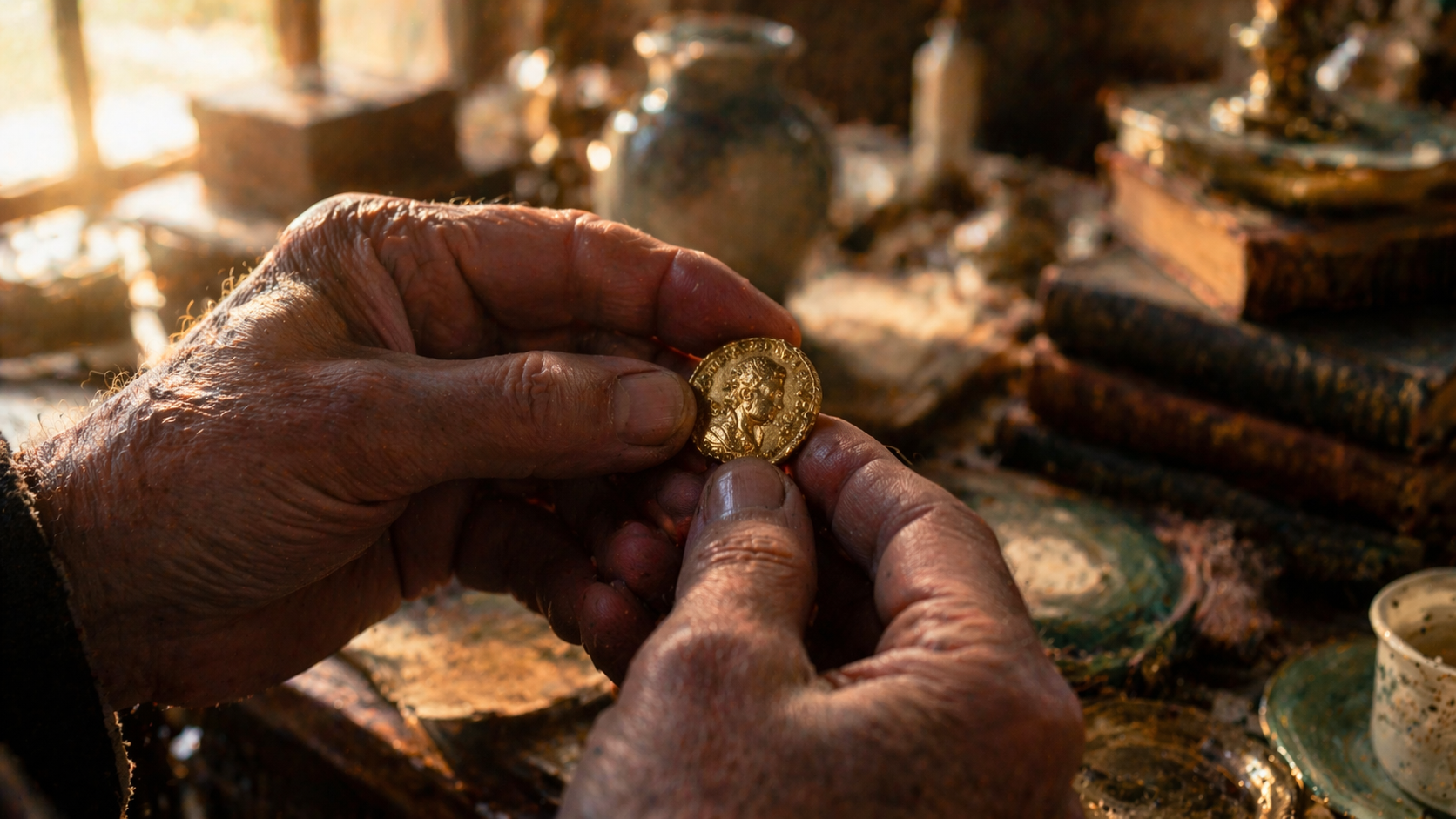
Picture an appraiser at the end of a long estate sale. The folding tables are crowded with chipped saucers, tangled costume jewelry, faded paperbacks nobody wanted. The afternoon light is slanting through the garage door. And then, between a cracked teacup and a pile of fake pearls, she sees it. She picks it up and turns it in her fingers. The weight is wrong for what it’s pretending to be. The real thing.
Notice what just happened. The appraiser didn’t make that piece valuable; she recognized that it already was. Its worth existed long before she walked into that garage, and it would have existed if she had walked right past it. Her trained eye simply bowed to what was already true.
This is exactly what happened with the books of the Bible.
You may have heard a version of the story that goes like this: the early church got together at some smoky council, voted on which books they liked, suppressed the ones they didn’t, and handed us a curated list. It’s a story that gets told in documentaries and bestselling novels and History Channel specials. And it is almost entirely wrong.
The early church did not select the Scriptures. They recognized them. For three centuries before any council ever met, believers across the Roman Empire were already reading these books, teaching them, copying them, and smuggling them through persecution. By the time church leaders formally affirmed the canon in the late 300s, these sixty-six books had been functioning as Scripture for generations. The councils weren’t creating a list; they were bowing to one.
Hear how Paul describes the Scriptures to Timothy: "the sacred writings, which are able to make you wise for salvation through faith in Christ Jesus." Sacred. Already sacred. Not sacred because Timothy's grandmother told him so, not sacred because the apostles stamped them with approval, but sacred because they came from God Himself and carried His authority before any human ever opened them. Peter says the same thing about Paul's letters; he calls them Scripture in the same breath as the rest (2 Peter 3:16). The recognition was already happening inside the New Testament itself.
This matters more than it might seem at first. If the Bible's authority is something the church granted, then the church can revoke it. Anything humans authorize, humans can also amend. But if the Bible's authority comes from God and the church merely acknowledged what was already there, then the only honest posture in front of this Book is the appraiser's posture. Eyes trained. Knee bent. Recognizing what is already true.
And here we have to be honest with ourselves, because none of us actually lose sleep over the canon. Nobody wakes up at 3 a.m. anxious about whether Hebrews belongs in the Bible. What we lose sleep over is quieter than that. It’s the low hum of other voices in our lives that we have been quietly letting outrank this one. The podcast that shapes our politics more than the Sermon on the Mount ever has. The friend whose opinion lands harder than Romans 8. The inner critic we trust more than the Father who calls us beloved. We don’t need a church council to undermine Scripture's authority in our lives. We undermine it ourselves every time we let a louder voice get the last word.
The gospel here is liberating. We don’t have to manufacture confidence in the Bible. Its weight is already in our hands; its authority was already settled before we were born. Our job is the smaller, freer thing. To let the real thing outweigh the counterfeits that keep getting passed around the table.
Today: Whose voice has been loudest in your week? And what would it look like, just for today, to pick up the real thing and let it have the final word?
Prayer: “Father, thank You that Your Word stands on its own, weighted with Your authority, sacred before I ever opened it. Train my ears today to recognize Your voice above every other voice competing for the final word. In Jesus' Name, Amen.”
-PK