Acts 17:11–12 — “Now these Jews were more noble than those in Thessalonica; they received the word with all eagerness, examining the Scriptures daily to see if these things were so. Many of them therefore believed, with not a few Greek women of high standing as well as men.”
Read for context: Acts 17:10–15.
Someone you trust stands at the front of the room, opens a Bible, and begins to preach. You know his voice and you appreciate his ministry. When he says, “This passage means…,” it would be easy to accept the explanation simply because he’s the one offering it. As a pastor, I’m grateful for that trust. But I also want you to have your Bible open. The people in Berea show us how trust and careful listening can belong together.
Read Acts 17:10–15. Notice their attitude toward the message and what they do after hearing it.
They receive the word eagerly. They also examine the Scriptures daily to see whether the teaching is true. Luke commends both. They aren’t approaching Paul hoping to expose a mistake. Neither do they assume that a confident teacher must be correct. They’re willing to listen, and they want to know whether what they hear agrees with what God has said. The Scriptures they search are the writings we call the Old Testament. Paul is proclaiming Jesus, and they examine that proclamation in light of God’s existing revelation. Does the promised Messiah suffer? Do these Scriptures point toward the Savior Paul describes?
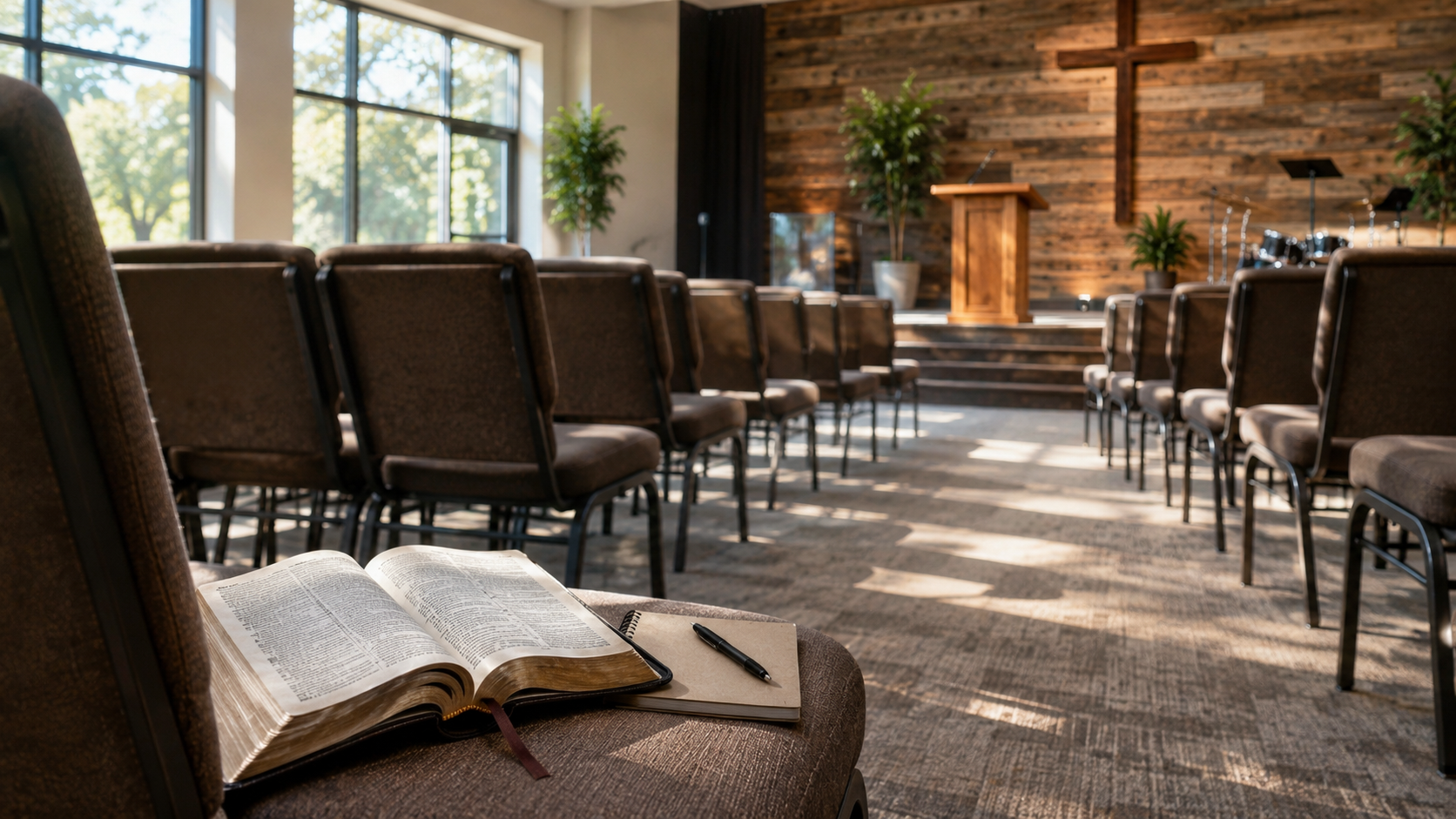
Their examination leads somewhere beautiful: many believe. Looking carefully at God’s Word helps them recognize and trust His Son. That gives us a good posture for worship this morning. Come expecting God to speak through His Word. Bring your attention along with your Bible. When the passage is read, follow it. When the preacher explains a connection, look for it. If you don’t understand something, write down the question. You may need to reread the paragraph later or ask for help. And please don’t let the effort of learning become a reason to feel embarrassed. Maybe flipping to a book of the Bible takes you longer than it takes the person next to you. Maybe someone mentions an Old Testament event you’ve never heard of. You are welcome to learn here.
There’s something quite extraordinary about what we’re doing when we gather. A teenager opening her first Bible, a widow who has read hers for decades, an exhausted parent, and someone wondering whether Christianity is true… all these people sit beneath the same Word. The God who spoke through prophets and apostles has preserved these Scriptures for His people. By His Spirit, He opens our understanding and draws our attention to His Son. What kindness it is that God has made Himself known. He’s given us words we can read, return to, examine, and share. And those words announce what we could never accomplish for ourselves: Jesus took our sins at the cross and rose from the dead to bring us into life with God.
That is why understanding the Bible matters. We’re learning to hear the truth about the Savior who has loved us so completely. This week, you’ve practiced slowing down, reading around a verse, identifying its audience, and following a passage’s movement. Bring those habits with you this morning and open your Bible with expectation. There’s more of Christ to see!
A tool to keep: After a sermon, return to the main passage. Try to explain how the big idea arises from the text. Identify what you can see clearly and what you still want to understand.
What does the passage say? Summarize its main point in your own words.
Where can I see that? Find the words or connections in the passage that support your summary.
What still needs attention? Write down a question to revisit or discuss with someone who can help.
Prayer: “Heavenly Father, thank You for giving Your church the Scriptures. Make me eager to hear and careful to understand as we gather today. Help those who teach us handle Your Word faithfully, and give those who listen humility and discernment. Open our eyes together to the glory and grace of Jesus. In His name, Amen.”
-PK